
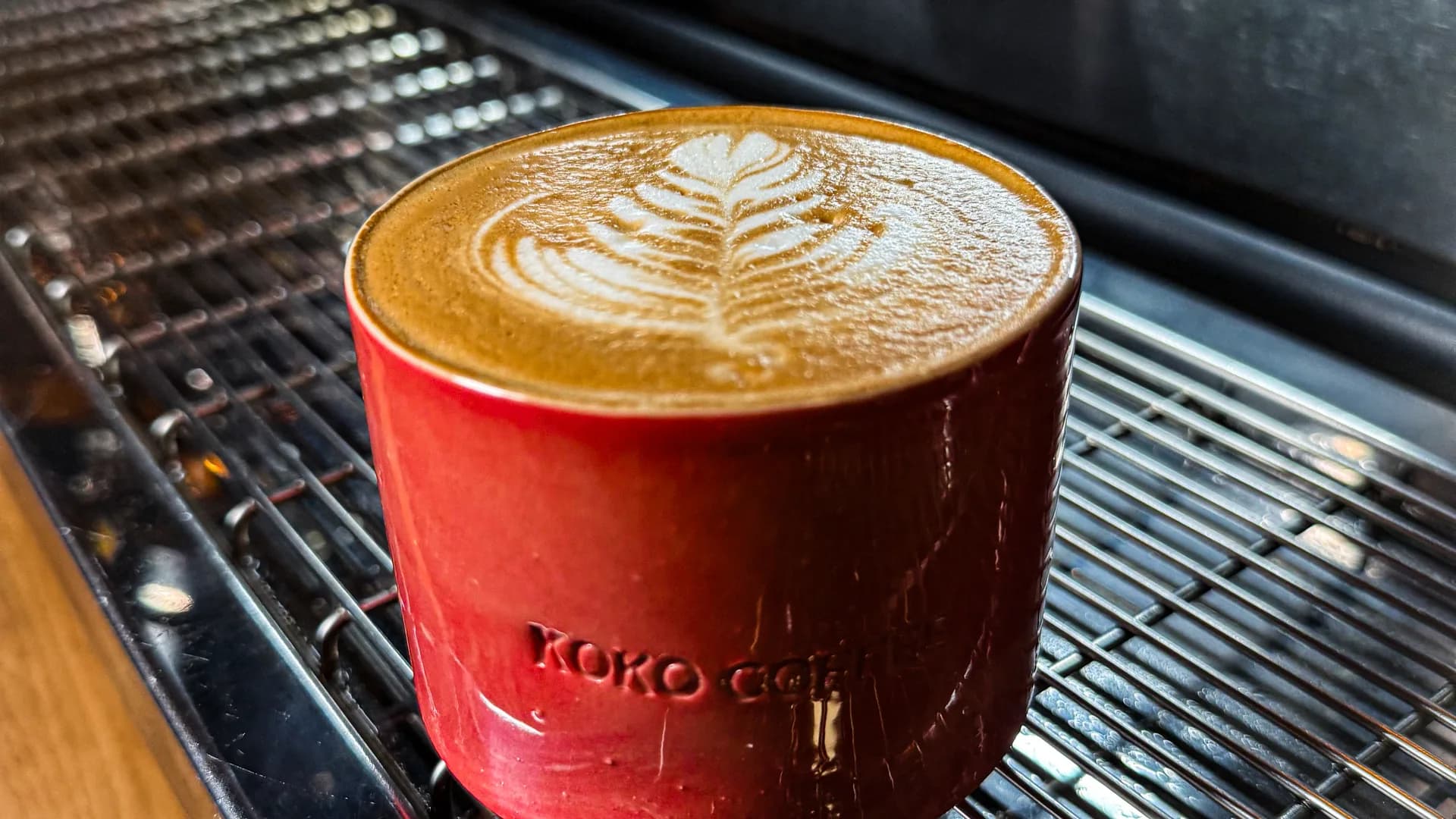
A gastronomy coffee must be reliable, knowledgeable and fresh. What you should consider when selecting your B2B coffee supplier.
Good coffee in a café is not a "nice-to-have" – it's the product that brings many guests in the door in the first place. Choosing your coffee partner is therefore one of the most important decisions in building a gastronomy concept. This guide helps you ask the right questions.
1. Freshness beats price
A cheap coffee that's three months old tastes worse than a slightly more expensive one roasted two weeks ago. Ask specifically: When was it roasted? How often are roastings done? Weekly roasting is standard for specialty standards – anything else is a warning sign.
2. Does the roast profile fit your machine?
Not every bean is made for every machine. A super-automatic extracts differently than a dual-boiler. Light filter roasts are often a challenge in gastronomy because they require precise dialling. A good partner asks about your machine before recommending a coffee.

Our B2B bestseller
KOKO BRASIL – the workhorse for gastronomy
Robust espresso blend from Brazil and India with chocolatey sweetness, muted acidity and rich crema. Reliable flavour profile even with changing operators – ideal for cafés, restaurants and offices with consistent daily turnover.
3. Consultation, not just an order portal
A supplier who drops off a box every month without asking how things are going is not a partner – he's an online shop with shipping costs. Ask whether your supplier visits on-site, whether training for your team is included, how often cupping sessions take place.
4. Transparency in origin and pricing
Where do the beans come from? When were they harvested? How were they processed? Good specialty partners can answer these questions. Transparency is not an empty phrase – it means short supply chains, fair prices and traceable quality.
5. Flexibility in quantities and assortment
A good B2B partner adapts to your needs. Small batches at first, larger ones later? No problem. A different coffee for seasonal business? Doable. Seasonal changes, subscription pause, holidays? Let's talk, not rely on fine print.
6. The numbers have to work
Specialty coffee isn't supermarket-cheap – but with realistic calculations, it remains economical. 7 g of beans per shot, one kilo makes around 140 espressos. At a kilo price of 35 €, pure bean costs per shot come to around 25 cents – at a retail price of 2.50–3.50 €, that's a healthy margin.
Your next step
If you're interested in specialty coffee for your business, we always recommend the same starting point: order a sample package. Two to three coffees, tested on your machine, with feedback back to us. From there, we'll find the right coffee together – and once it's dialed in, we'll talk about regular supply.
Inquiries go through our B2B form. We'll get back to you within 24 hours – not a call center, but directly from us here at the café.