
Lighter or darker roasted coffee? Both have their strengths. We show you the differences – and when each roast level makes sense.
When you visit a specialty roastery, you quickly notice: the beans often look different from supermarket coffee. Lighter, not so shiny, not oily. This is no accident – but a deliberate choice about roast level. But what exactly is the difference between light and dark roasts? And which one is right for you?
What happens during roasting?
The green bean is flavourless – almost grassy. It is only during roasting that the aromas develop that we know as coffee. The longer and hotter the bean is roasted, the more the profile changes: acidity and fruit give way to roast flavours, sweetness and body.
Light Roast – fruit takes centre stage
Light roasts are pulled from the drum shortly after the first crack, at approximately 205–210 °C bean temperature. The cellular structure remains largely intact, origin characteristics remain visible – blueberry, jasmine, honey. Acidity here is not a flaw, but a feature.
- Ideal for: Pour Over, Chemex, AeroPress, cold brew
- Flavour: fruity, floral, tea-like
- Body: light to medium
- Acidity: pronounced to dominant
Dark Roast – classic roast flavours
Dark roasts go further – into or just before the second crack, around 225–235 °C. Origin characteristics disappear, instead roast flavours come to the fore: chocolate, caramel, dried fruit, sometimes smoky. The acidity flattens out, the body becomes fuller.
- Ideal for: Espresso, portafilter, fully automatic machine, French Press
- Flavour: chocolatey, nutty, caramelly
- Body: medium to full
- Acidity: subtle to barely noticeable
Medium and medium-dark – the middle ground
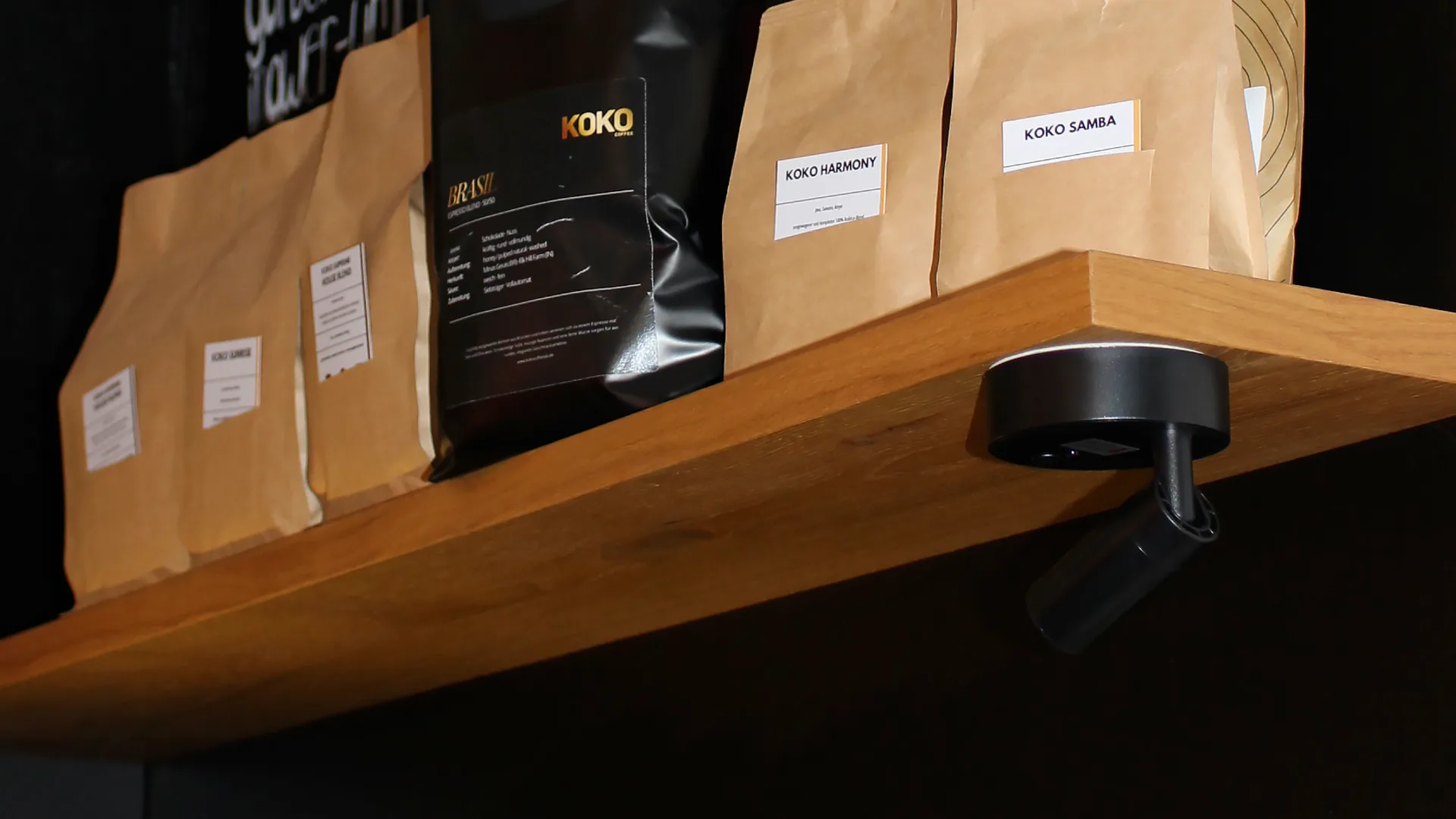
Most espresso blends fall between light and dark – in the medium to medium-dark range. Here you find a compromise of sweetness, body and varietal character. Our KOKO SUPREME Houseblend is a classic example.


Which roast level suits which machine?
Espresso machine / Portafilter
Medium to Dark. Light roasts require very precise dialling and are prone to sour notes – a challenge for beginners.
Super-automatic espresso machine
Medium to Dark. Super-automatic machines extract with shorter contact time – light roasts often taste thin and sour. Blends like KOKO BRASIL are precisely calibrated for this.
French Press, AeroPress, Filter
Light to Medium. Here the character of a light bean shines best, because the longer contact time extracts more aromas.
The conclusion
There is no universal "better". Light Roast fascinates with its aromatic depth and transparency, Dark Roast convinces with classic espresso comfort warmth. Most exciting is often to have both running in parallel at home – espresso in the morning, filter in the afternoon. That way you cover both worlds.